
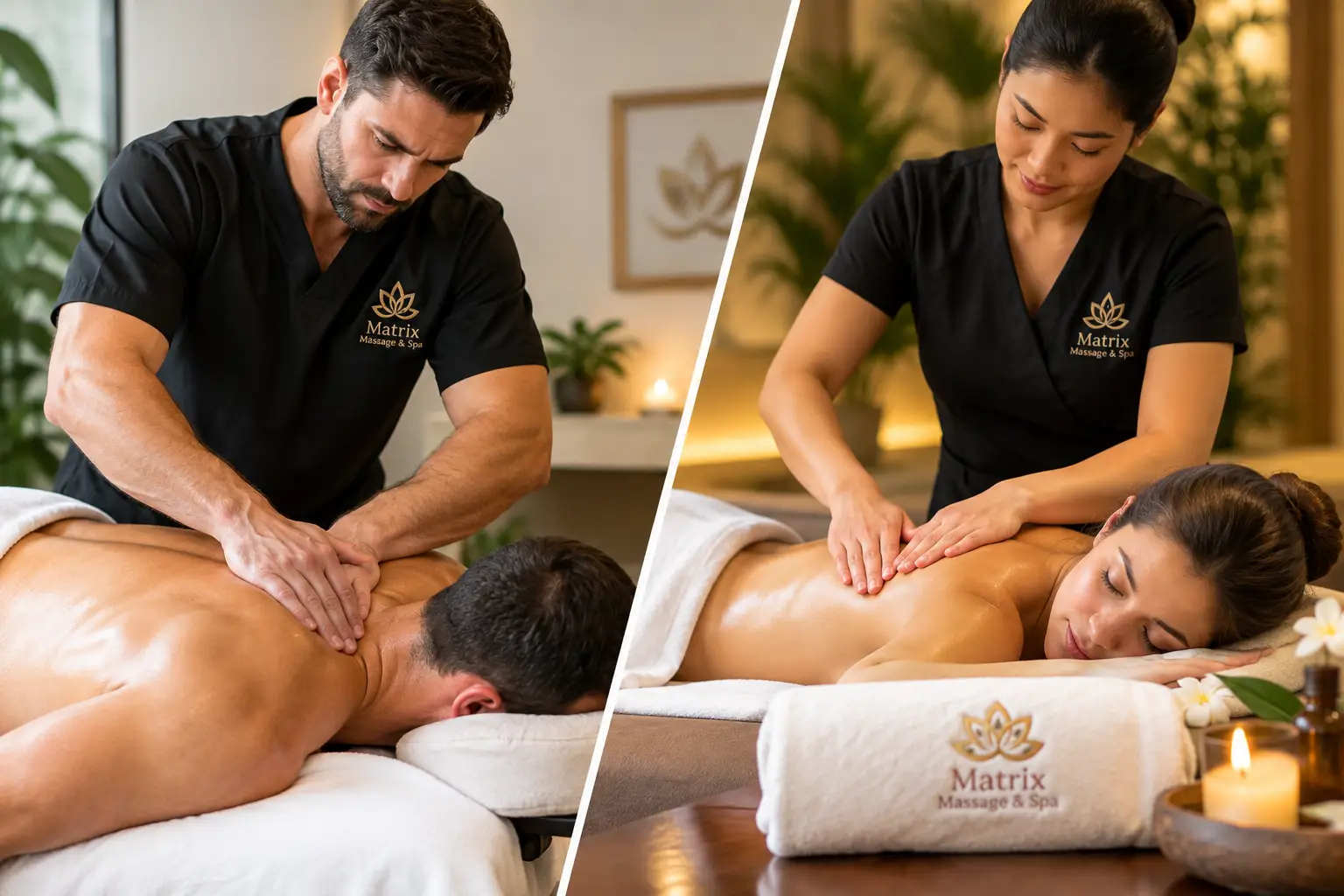
A massage can feel wonderfully calming and still address the knots that have been bothering you for weeks. That is why the choice between therapeutic versus relaxation massage is less about choosing pain relief or comfort and more about understanding what your body needs from this particular appointment.
Maybe your shoulders tighten after long days at a desk, your training schedule has left your legs heavy, or you simply need an uninterrupted hour to reset. The right massage should meet you there. A skilled therapist can tailor pressure, pace, techniques, and focus areas so your experience supports both immediate relief and lasting well-being.
Therapeutic Versus Relaxation Massage: The Real Difference
Therapeutic massage is goal-oriented bodywork. It is typically chosen to address a specific concern, such as persistent neck tension, limited range of motion, post-workout soreness, repetitive-use strain, or discomfort related to posture. Your therapist begins by learning what is going on in your body and then uses targeted techniques to work on the areas that need attention.
Relaxation massage is designed primarily to settle the nervous system and create a deep sense of ease. It usually features flowing strokes, a gentler or moderate pressure level, and a full-body approach that encourages circulation, calm breathing, and mental quiet. You may still feel muscles release, especially in commonly tight areas like the shoulders, back, hands, and feet, but the central intention is restorative rest.
The line between the two is not always sharp. A calming Swedish massage can be customized to give extra attention to a tight upper back. Deep tissue work can be delivered thoughtfully, with pauses and lighter techniques that help the body relax rather than brace. The most satisfying sessions often blend therapeutic purpose with a serene spa experience.
What Therapeutic Massage May Feel Like
A therapeutic session often starts with a short conversation about your goals. You might describe a nagging ache, stiffness after a long drive, soreness from cycling or skiing, or a pattern of tension headaches. Your therapist may ask when the issue began, what movements aggravate it, and whether you prefer focused work or a more balanced full-body session.
Techniques may include deep tissue massage, sports massage, focused trigger-point work, stretching, or slower work on the muscles and connective tissue that contribute to restriction. Pressure is not the only factor. Effective therapeutic care is often precise, patient, and responsive. Sometimes the most useful work is firm and specific; other times, a lighter approach helps a sensitive area release more comfortably.
You may notice tenderness during a targeted massage, but it should not feel sharp, alarming, or unbearable. More pressure is not automatically better. If you find yourself holding your breath or tensing against the table, tell your therapist. Clear feedback allows the treatment to remain productive and comfortable.
Afterward, you may feel looser, more mobile, or pleasantly tired. A focused session can also leave a worked area temporarily tender, much like you might feel after a new workout. Drinking water, moving gently, and giving yourself time to rest can help you enjoy the benefits of the session.
When therapeutic work is a good fit
Therapeutic massage may be the better choice when you have a clear physical goal. That could mean easing recurring tension in your neck and shoulders, supporting recovery from activity, improving how your body feels after travel, or creating a maintenance routine for the demands of work, parenting, or training.
It can also be a strong option when stress shows up physically. Many people carry pressure in their jaw, upper back, hips, or low back without realizing how much it affects their comfort throughout the day. Targeted bodywork can help bring awareness to those patterns while offering meaningful relief.
Massage is not a substitute for medical diagnosis or treatment. If you have a new injury, unexplained pain, a fever, significant swelling, numbness, recent surgery, or a health condition that may affect massage, consult the appropriate medical professional and let your therapist know before your appointment.
What Relaxation Massage May Feel Like
Relaxation massage gives your body permission to slow down. The room is quiet, the pace is unhurried, and the treatment is designed to ease you out of the constant mental activity that can follow a busy workweek. Swedish massage is a common choice because its long, flowing strokes can help soothe tired muscles without making the session feel overly intense.
For many guests, relaxation is not an extra. It is the foundation of better recovery. When you are depleted, sleep is inconsistent, or your mind feels as tense as your shoulders, a gentler massage may be exactly what helps you feel like yourself again. It can be especially appealing before a special occasion, after a demanding season, or as part of a regular self-care ritual.
Relaxation-focused care does not have to mean feather-light pressure. You can request moderate pressure and ask your therapist to spend additional time where you tend to hold tension. The difference is that the session is not organized around correcting one specific issue. It is organized around creating whole-body comfort and renewed energy.
When relaxation is the better choice
Choose relaxation massage when your main goal is to unplug, rest, and leave feeling calm from head to toe. It is a beautiful fit for first-time massage guests who are unsure what they enjoy, couples sharing a spa day, busy professionals who need a true pause, and gift recipients who want an indulgent but meaningful experience.
It is also a wise choice when your body feels generally worn down rather than specifically injured or restricted. A nurturing session can reduce the sense of heaviness that builds after weeks of sitting, caregiving, travel, or simply carrying too much on your schedule.
How to Choose the Right Massage for Today
Start with one simple question: what would make this appointment feel successful? If your answer is, “I want to turn my head without that pull in my neck,” therapeutic work is likely the best starting point. If your answer is, “I want an hour where no one needs anything from me,” relaxation massage may be the more supportive choice.
Then consider your energy level and your plans afterward. Deep, focused work can be valuable before a quiet evening or recovery day, while a soothing Swedish massage may be easier to enjoy before dinner, a date night, or a busy weekend. Neither option is superior. The best treatment is the one that suits your body, preferences, and schedule.
Be honest about pressure. Some guests ask for deep tissue massage when what they truly want is a calming medium-pressure session with extra attention on their back. Others worry that therapeutic massage must hurt to work. Your therapist can help translate your goals into a treatment plan, whether that means deep tissue, sports massage, reflexology, craniosacral work, prenatal massage, or a personalized blend.
At Matrix Massage & Spa, the experience can extend beyond the treatment room. Time in the infrared sauna, steam room, cold plunge, hydro massage, or relaxation lounge can complement your massage and make the visit feel more complete. Gentle warmth may be especially inviting before bodywork, while contrast hydrotherapy and quiet recovery time can help you settle into the benefits afterward. Your preferences, health history, and comfort with heat and cold should guide how you use these amenities.
You Do Not Have to Choose One Forever
Your needs can change from month to month, or even week to week. An active guest may book sports or deep tissue massage during a demanding training block, then choose a relaxation-focused service after an event. A parent might come in for targeted shoulder and hip work one visit and choose a quieter, full-body reset the next.
This is where customized care matters. Tell your therapist what has changed since your last appointment, including soreness, stress, sleep, activity, and areas that have improved. That conversation helps shape a massage that feels personal rather than routine.
The most restorative choice is the one that leaves you feeling cared for in the way you need today: more open in your body, quieter in your mind, and better prepared to return to the life waiting beyond the spa.