
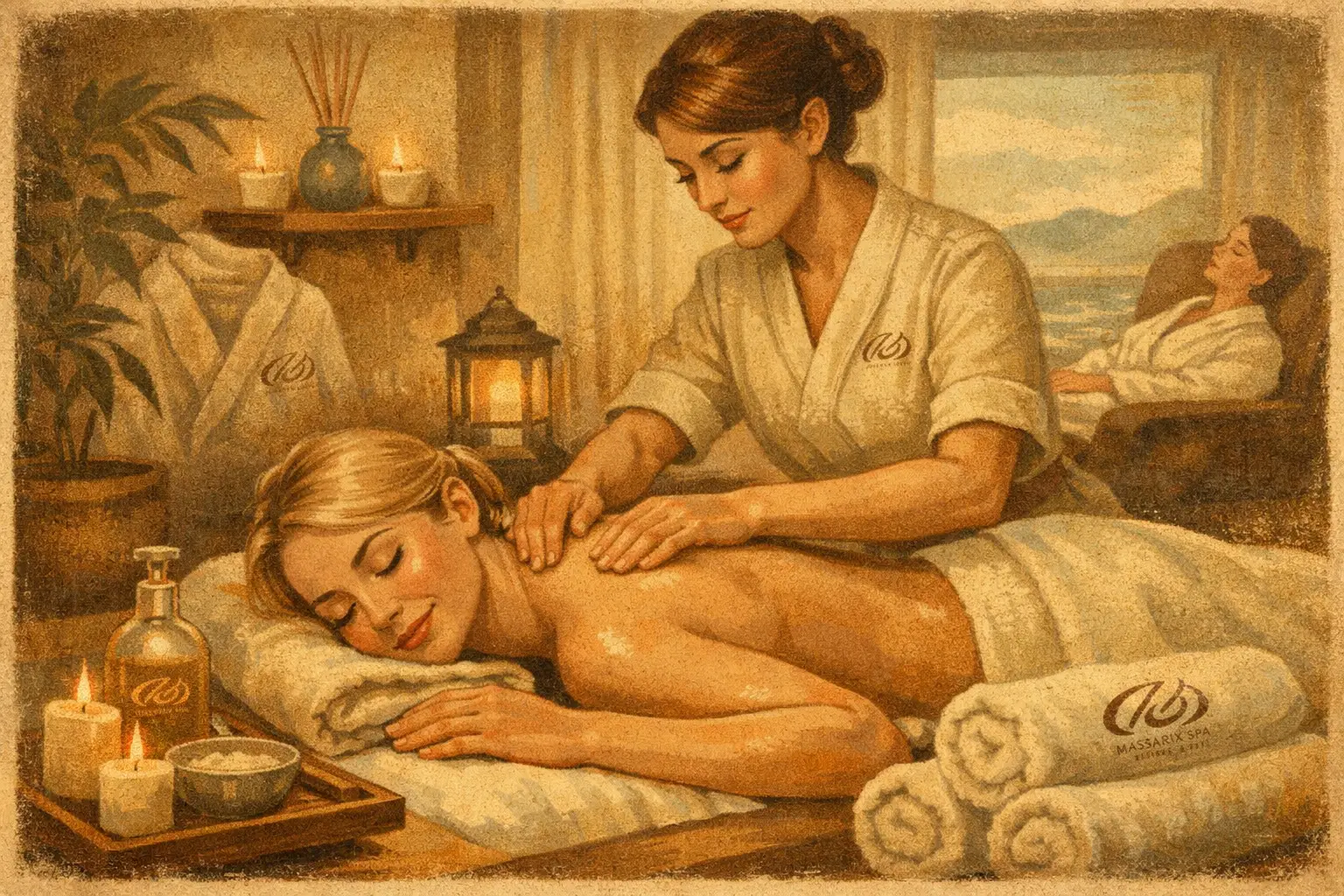
A clenched jaw, shallow breathing, restless sleep, and shoulders that seem permanently lifted toward your ears can make anxiety feel physical because it often is. Swedish massage for anxiety relief offers a quiet, supportive way to step out of that cycle, giving the body a chance to soften while the mind follows at its own pace.
This is not about forcing yourself to relax or treating a massage as a substitute for mental health care. It is about creating a protected hour where caring, skilled touch, steady pacing, and a calm setting can help your nervous system shift away from constant alertness. For many people, that reset makes everyday stress feel more manageable.
How Swedish Massage Can Support Anxiety Relief
Swedish massage uses long, flowing strokes, gentle kneading, circular movements, and light-to-moderate pressure. Unlike a deep tissue session intended to address stubborn muscular restrictions, Swedish massage is designed around relaxation, circulation, and overall ease. The pressure can still be customized, but the experience should feel soothing rather than demanding.
Anxiety can keep the body in a state of readiness long after a stressful meeting, difficult commute, family responsibility, or sleepless night has passed. Muscles brace. Breathing becomes more limited. Even rest can feel like another task to complete. A slow, predictable massage gives the body different input: warmth, comfortable pressure, a quieter room, and permission to stop performing for a while.
Many guests notice that their breathing deepens during a session. Others become aware of tension they had normalized in their scalp, neck, hands, hips, or lower back. Neither response is wrong. The goal is not to achieve a perfectly empty mind. It is to leave feeling more grounded, physically comfortable, and connected to what your body needs.
The value of calming touch and steady pacing
When you are anxious, surprise and intensity can feel overstimulating. Swedish massage tends to be especially approachable because the rhythm is unhurried and the techniques are familiar and gentle. Your therapist can check in about pressure, temperature, focus areas, and any preferences around conversation or quiet.
That personalization matters. One guest may find focused work on the neck and shoulders deeply calming. Another may feel better with more attention on the arms, hands, feet, or scalp. If lower-back work, face cradle positioning, or certain areas of touch make you uncomfortable, those can be adjusted or skipped. Feeling safe and heard is part of a restorative treatment.
What to Expect From a Swedish Massage for Anxiety Relief
Your session should begin with a brief conversation, not a one-size-fits-all routine. Let your therapist know if anxiety has been affecting your sleep, contributing to headaches, leaving you tense after work, or making it hard to settle into stillness. You do not need to share more personal detail than you want to. A simple description of how your body has been feeling is enough to guide a customized treatment.
For someone arriving with a busy mind, a therapist may begin with broad, grounding strokes and gradually spend more time where tension is most pronounced. Gentle work around the shoulders, upper back, arms, and scalp can be especially comforting for guests who spend long hours at a desk or carry stress high in the body. Light work through the legs and feet may help the whole body feel more settled.
You remain in control throughout the service. Professional draping preserves privacy, and you can request a lighter or firmer pressure at any point. You can also ask for the room to be warmer, decline aromatherapy, or choose silence. Some people relax best with soft conversation at the beginning; others prefer to close their eyes and fully unplug. There is no right way to receive massage.
Do not be surprised if your mind is still active for the first several minutes. Trying to chase relaxation can create more pressure. Instead, notice the support beneath you, the pace of your breath, and the sensation of your muscles releasing. A skilled massage allows calm to arrive gradually.
Pairing Massage With a Complete Spa Reset
The massage itself is powerful, but the transition before and after it can shape how long that sense of relief stays with you. Rushing from a packed schedule onto the table and immediately back into traffic can limit the restorative effect. When possible, build in a little extra time.
At Matrix Massage & Spa, a Swedish massage can become part of a more complete self-care escape with hydrotherapy amenities such as an infrared sauna, steam room, cold plunge, hydro massage, reflexology machine, and relaxation lounge. The right combination depends on how anxiety shows up for you and how your body responds to heat and contrast therapy.
For many guests, gentle warmth before a massage helps tight muscles feel more receptive to relaxed, flowing work. A few quiet minutes in a relaxation lounge afterward can make it easier to return to the day without immediately reaching for a phone or reopening a mental to-do list. If you are new to cold plunges or have health concerns, ask for guidance and choose what feels appropriate rather than pushing for an intense experience.
Hydrotherapy is an enhancement, not a requirement. A single Swedish massage in a serene setting can be exactly what you need. The purpose is not to fit every amenity into one visit. It is to create a wellness routine that genuinely supports your energy, comfort, and capacity to cope.
How Often Should You Schedule a Massage?
There is no universal schedule for anxiety support. Some people book a massage after an unusually stressful period, before a demanding event, or as a thoughtful reset during a busy season. Others find that a regular appointment, such as once or twice a month, helps them notice tension before it becomes overwhelming.
Consistency can be useful because it gives your body repeated opportunities to experience rest. Still, more frequent is not automatically better. Consider your budget, schedule, health needs, and how you feel in the days following a session. A sustainable rhythm that you look forward to is more valuable than an ambitious routine that creates another obligation.
Between appointments, preserve a small part of the experience. Drink water, choose a slower evening when you can, take a short walk, or give yourself ten quiet minutes before bed. Massage does not have to be an isolated event. It can remind you that caring for your nervous system deserves a place in your regular routine.
When Massage Is One Part of a Bigger Support Plan
Swedish massage can ease stress-related tension and create meaningful relief, but it does not diagnose or treat anxiety disorders. If anxiety is disrupting work, relationships, sleep, appetite, or your sense of safety, consider speaking with a licensed mental health professional or medical provider. Massage can work beautifully alongside therapy, medication when prescribed, movement, sleep support, and other forms of care.
Before booking, also share relevant health information with your therapist, including pregnancy, recent injuries or surgery, skin conditions, circulation concerns, medications that affect bruising, or any sensitivity to heat. A qualified therapist can help adapt the service or recommend when it is best to seek medical clearance first.
The most restorative sessions are not the ones that promise to erase every worry. They are the ones that give you a real experience of comfort in your own body. That feeling can become a useful reminder: even on a demanding week, there is room to pause, breathe more fully, and receive care.