
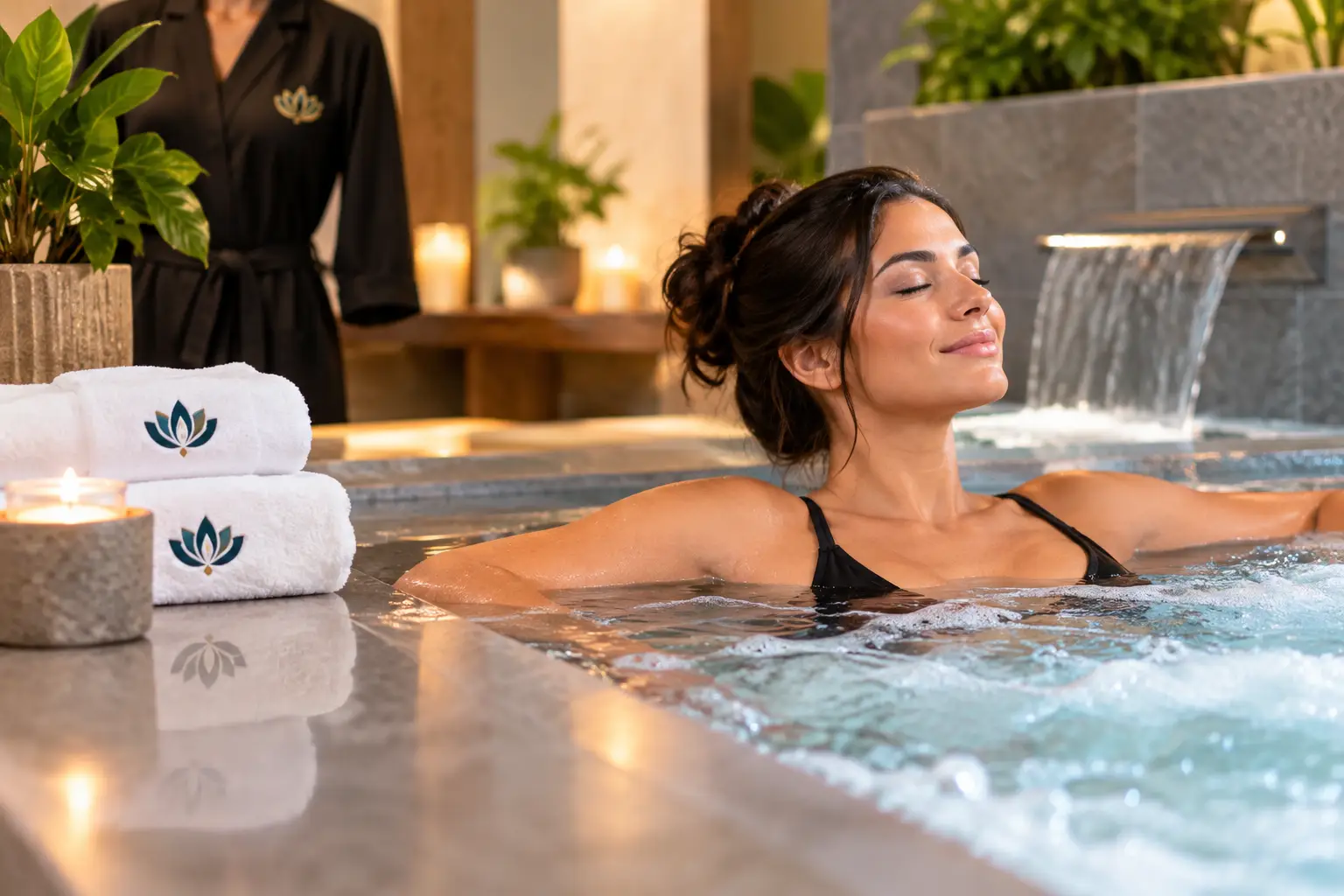
A hydrotherapy spa is more than a pleasant add-on after a massage. When heat, steam, cold water, and targeted hydro massage are used with intention, they can help your body shift out of its daily state of tension and into a deeper sense of ease. For Salt Lake City professionals, active adults, parents, and anyone carrying stress in their shoulders, hips, or low back, that change can feel remarkably restorative.
At Matrix Massage & Spa, hydrotherapy is part of a fuller wellness experience. It gives you time to warm up before hands-on work, settle into relaxation afterward, or create space for a self-care visit that is focused entirely on renewal.
What Is a Hydrotherapy Spa?
Hydrotherapy uses water, temperature, and pressure to support relaxation and physical recovery. A thoughtfully designed hydrotherapy spa may include dry heat, moist heat, cold immersion, water-based massage, and quiet space to rest between each experience.
Each amenity offers a different sensation and purpose. An infrared sauna provides gentle, penetrating warmth. A steam room creates humid heat that many guests find especially soothing after a long day or an intense workout. A cold plunge delivers a brisk contrast that can leave you feeling alert and refreshed. Hydro massage uses warm water pressure to help release areas that feel tight or fatigued.
The value is not simply checking off every station. Your ideal experience depends on how you feel that day, your comfort with heat or cold, and whether you are preparing for a massage, recovering from activity, or taking a needed break from a demanding week.
Why Heat and Cold Feel So Restorative
Many people arrive at the spa feeling as if they have been bracing all day. Desk posture, long commutes, strength training, running, caregiving, and poor sleep can all contribute to muscles that feel guarded or overworked. Gentle heat may help you feel looser and more comfortable, making it easier to settle into massage and relaxation.
The infrared sauna and steam room offer different kinds of warmth. Infrared heat is dry and often feels more gradual, which can appeal to guests who want warmth without the heavy humidity of a traditional steam experience. Steam surrounds the body with moist heat and can feel deeply calming, particularly when the dry Utah climate has left you feeling depleted. Neither is inherently better. It comes down to the sensation you prefer and how your body responds.
Cold water creates a very different experience. A cold plunge can be invigorating, and its contrast with heat often leaves guests feeling energized and refreshed. Some active guests enjoy it after strenuous training, while others prefer it simply for the mental reset of doing something focused and intentional. Cold exposure does not need to be an endurance contest. Brief, comfortable intervals are often plenty.
When alternating heat and cold, move at a pace that feels manageable. Take time in the relaxation lounge between rounds, drink water, and let your breathing return to normal. The goal is rejuvenation, not proving how long you can tolerate an extreme temperature.
How a Hydrotherapy Spa Complements Massage
Massage and hydrotherapy can be especially effective partners because they address relaxation from different directions. Heat before a Swedish, deep tissue, sports, prenatal, or reflexology session may help you arrive feeling more at ease. When muscles are warm and your nervous system has had a chance to slow down, it can be easier to receive focused therapeutic work.
After massage, hydrotherapy extends the feeling of care beyond the treatment room. Rather than rushing back to traffic, errands, or email, you can give your body a transition period. A few quiet minutes in the relaxation lounge, a warm steam session, or gentle hydro massage can help preserve that unhurried feeling.
For guests seeking deeper work for persistent tightness, this pacing matters. Deep tissue massage can be highly beneficial, but it is not about forcing the body to release. Pairing therapeutic massage with calming amenities allows the experience to feel supported rather than rushed. Your therapist can help you choose pressure and techniques that match your goals, whether that means sports recovery, relief from desk-related tension, or a restorative escape.
A Thoughtful Way to Plan Your Visit
A spa day does not have to follow a rigid formula, but a little planning can make the experience more comfortable. If you are new to hydrotherapy, begin with one warm amenity and give yourself enough time to notice how you feel. You might spend a short session in the infrared sauna, cool down in the lounge, and then enjoy a massage or facial.
If you already know that contrast therapy feels good for you, consider a gentle rotation between heat and a brief cold plunge. Finish with rest rather than immediately returning to stimulation. The relaxation lounge is not a waiting room. It is part of the treatment experience, offering a quiet place for your body and mind to absorb the calm you have created.
Hydro massage can also be a great choice when you want targeted comfort without additional hands-on treatment. The water pressure and warmth can feel particularly welcome through the back, legs, and shoulders after travel, work, or exercise. It is a convenient option for guests building a shorter self-care visit around a busy schedule.
A few simple habits help you get more from your time: arrive hydrated, avoid a heavy meal immediately beforehand, and wear comfortable clothing for afterward. Give yourself a buffer before and after your appointment whenever possible. The most relaxing spa visit can lose some of its benefit if you have to sprint directly into the next obligation.
Who Should Adjust Their Hydrotherapy Routine?
Hydrotherapy is flexible, but it is not one-size-fits-all. If you are pregnant, have a heart or blood pressure condition, are sensitive to heat, have a medical concern, or are recovering from an injury or procedure, check with your health care provider before using sauna, steam, or cold plunge amenities. Let the spa team know about any relevant considerations so they can help you make comfortable choices.
Expectant mothers, for example, may benefit from customized prenatal massage while needing to avoid certain heat exposures. Guests with acute pain may prefer gentle warmth and therapeutic guidance over a vigorous contrast routine. If dizziness, nausea, discomfort, or shortness of breath occurs, step out, cool down, and rest. Wellness should feel caring, never punishing.
It is also wise to keep expectations realistic. A hydrotherapy spa can support relaxation, temporary muscle comfort, and a meaningful recovery ritual, but it is not a substitute for medical evaluation when pain is severe, sudden, or ongoing. Think of it as a valuable part of maintaining your well-being, alongside sleep, movement, hydration, and appropriate professional care.
Make Self-Care Feel Like a Practice, Not a Splurge
The greatest benefit of a hydrotherapy experience may be the permission it gives you to pause. Many guests wait until they are completely depleted before booking time for themselves. A more sustainable approach is to build restorative care into your routine, whether that means a monthly massage, a recovery-focused visit after a demanding training cycle, or an occasional spa day shared with someone you love.
For a special occasion, hydrotherapy can make a massage or body treatment feel like a complete escape. For regular wellness maintenance, it can become a familiar reset point: a place to release the week, quiet your thoughts, and leave feeling more present in your body.
The best visit is the one that meets you where you are. Choose the warmth, water, massage, and rest that feel right today, then give yourself permission to carry that calmer pace with you when you leave.