
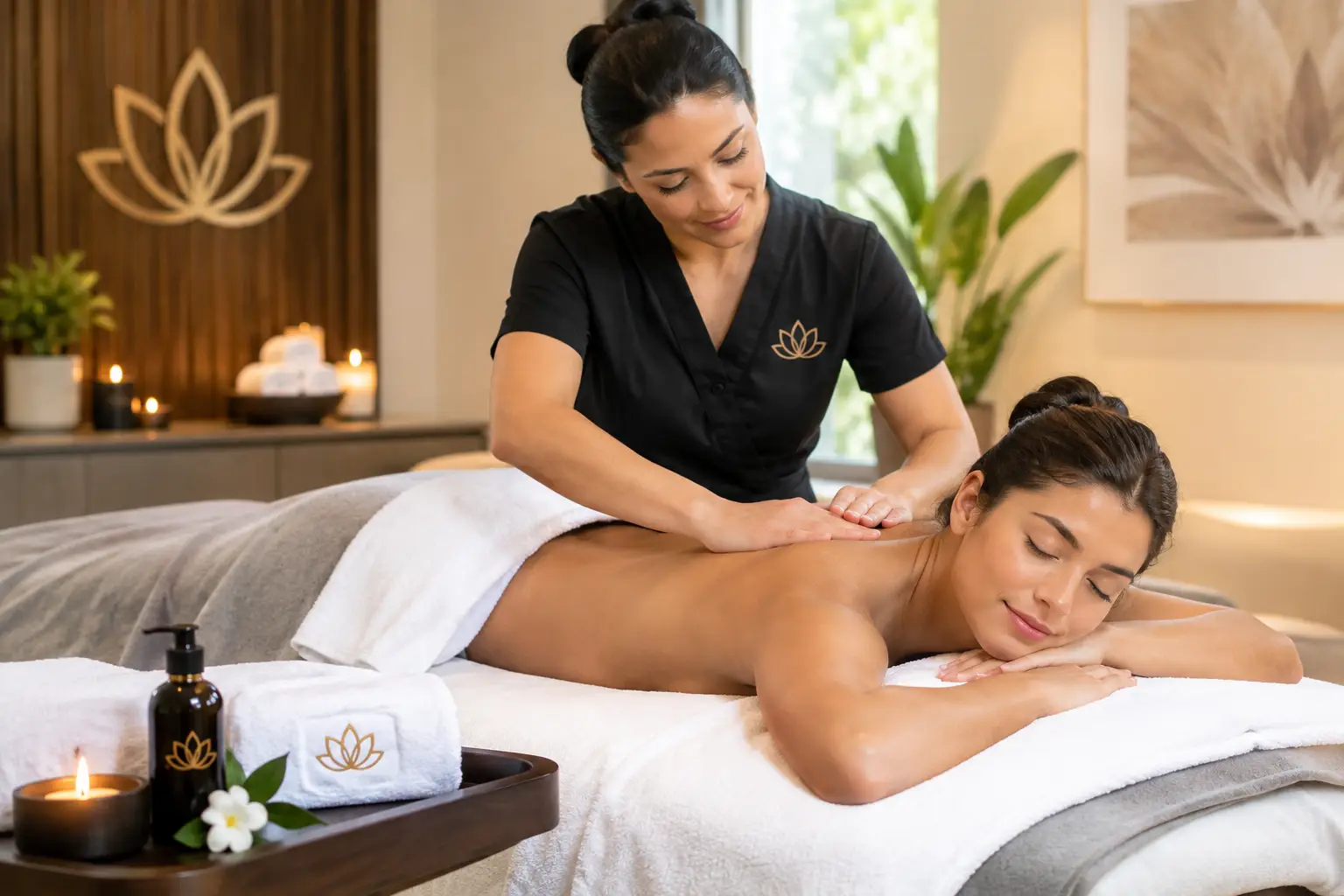
A massage appointment should not feel like a test of whether you know the rules. First time massage etiquette is mostly about clear communication, mutual respect, and giving yourself permission to relax. Your therapist is there to create a comfortable, personalized experience, whether you want a quiet Swedish massage after a demanding week or focused work for muscles that feel tight from training, travel, or desk time.
The small details can feel unfamiliar before your first visit: what to wear, whether you need to talk, how much to tip, and what happens if a certain technique does not feel right. Knowing the basics beforehand lets you arrive with less uncertainty and leave more refreshed.
First Time Massage Etiquette Starts Before You Arrive
Plan to arrive about 10 to 15 minutes before your scheduled appointment. That gives you time to check in, complete any intake forms, use the restroom, and transition out of the pace of the day. Rushing in at the exact start time can cut into your hands-on service, especially when your therapist needs a few minutes to learn about your preferences.
When you complete your intake form or speak with your therapist, be open about what you are hoping to get from the session. You might want broad relaxation, extra attention to your shoulders, relief from post-workout tightness, or a gentler experience. Share any areas you would prefer to avoid, as well as relevant sensitivities, recent changes in comfort, or pregnancy. This is not being high-maintenance. It is how a massage becomes customized to you.
If you are visiting a spa for massage and hydrotherapy amenities, allow additional time to enjoy the experience without feeling hurried. A steam room, infrared sauna, cold plunge, or relaxation area can be a wonderful complement to bodywork, but it helps to understand the spa’s timing and guidelines when you check in.
What to Wear and What to Expect in the Room
Wear whatever is comfortable to the spa. There is no need to arrive in special clothing unless you are booked for a particular service and have been given instructions. Comfortable everyday clothes or athletic wear are both perfectly appropriate.
For a traditional table massage, your therapist will step out of the room so you can undress privately to your personal comfort level and get under the sheet. Some guests prefer to remove all clothing; others keep underwear on. Either choice is normal. Professional draping means that only the area being worked on is uncovered, while the rest of your body remains covered by a sheet or blanket.
You do not need to worry about having freshly styled hair, perfect skin, or a certain body type. Massage therapists work with people, not appearances. Basic cleanliness is thoughtful, and it is courteous to avoid strong fragrances if possible, particularly in a shared spa environment. Beyond that, come as you are.
Once your therapist returns, they may ask whether the room temperature, music, face cradle, or pressure feels comfortable. Speak up early if you need an adjustment. A blanket, bolster under the knees, or a slightly warmer table can make a meaningful difference in how easily you settle in.
Communication Is Part of the Treatment
Many first-time guests wonder whether they should talk throughout the massage. The answer is simple: you can, but you do not have to. Some people enjoy a little conversation at the beginning, while others prefer quiet from the start. Your therapist will follow your lead while still checking in when needed.
The most useful thing you can say is how the pressure feels. “A little lighter,” “that is perfect,” or “could you spend more time on my upper back?” gives your therapist clear direction. Deep pressure is not automatically better pressure. Effective massage should feel productive and within your comfort range, not like you are bracing yourself through every stroke.
Likewise, let your therapist know immediately if you feel cold, uncomfortable, ticklish, dizzy, or simply want a position changed. You never need to endure discomfort to be polite. You can also change your mind during the session. Perhaps you thought you wanted deep tissue work, but your body responds better to medium pressure that day. Good massage care allows room for that adjustment.
There is no expectation to explain your whole health history in detail or make conversation when you would rather rest. Clear, brief information is enough. Your comfort and consent guide the session from beginning to end.
Respecting Boundaries and the Spa Environment
Massage is a professional service built on trust. The boundaries are clear: your therapist will use proper draping, explain anything unfamiliar, and focus on the areas agreed upon during your consultation. You can ask questions at any point, request that an area be skipped, or end the service if you no longer feel comfortable.
Guests also contribute to a peaceful environment by silencing their phones, speaking softly in common areas, and arriving free from the effects of alcohol or recreational substances. If you are feeling unwell, contact the spa before your appointment to discuss whether rescheduling is the better choice. This protects your own experience, your therapist, and other guests.
It is also considerate to respect the scheduled service time. Therapists often have appointments before and after yours, so arriving late may mean a shorter massage. If your plans change, provide as much notice as possible when canceling or rescheduling. Advance notice gives the spa a fair chance to offer that time to another guest.
Should You Tip After a Massage?
Tipping is customary for massage services when you are happy with the care you received. Many guests choose a gratuity in the range of 15 to 20 percent, although the amount is always personal and can reflect your experience, budget, and any spa policies. If you received a discounted service, package, or gift certificate, ask the front desk whether gratuity is calculated from the original service price or the amount paid.
Do not let uncertainty about tipping distract you during the massage. Most spas make checkout straightforward, and the front desk can discreetly answer questions about options. A sincere thank-you and useful feedback are appreciated too, especially if your therapist did something that made you feel especially comfortable.
After Your Massage, Ease Back Into Your Day
When the massage ends, take a moment before getting off the table. You may feel deeply relaxed, pleasantly loose, or a little sleepy. Move slowly, drink water if you would like it, and avoid immediately jumping back into a rushed schedule when possible.
A gentle walk, a nourishing meal, or a quiet evening can extend the restorative feeling of your visit. If your therapist offers simple aftercare suggestions, such as stretching or taking a little extra time to rest, consider them in the context of what feels right for your body and your day.
You may also notice that your preferences become clearer after the first appointment. Maybe you loved quiet and warm towels, preferred moderate pressure, or discovered that focused neck and shoulder work made the biggest difference. Remember those details for your next visit. At Matrix Massage & Spa, that kind of feedback helps shape a treatment that feels even more personal over time.
Your first massage does not require perfect etiquette. Arrive with a little time, communicate honestly, and let yourself receive care without overthinking it. The best spa visits begin not with knowing every rule, but with feeling comfortable enough to ask for what you need.