
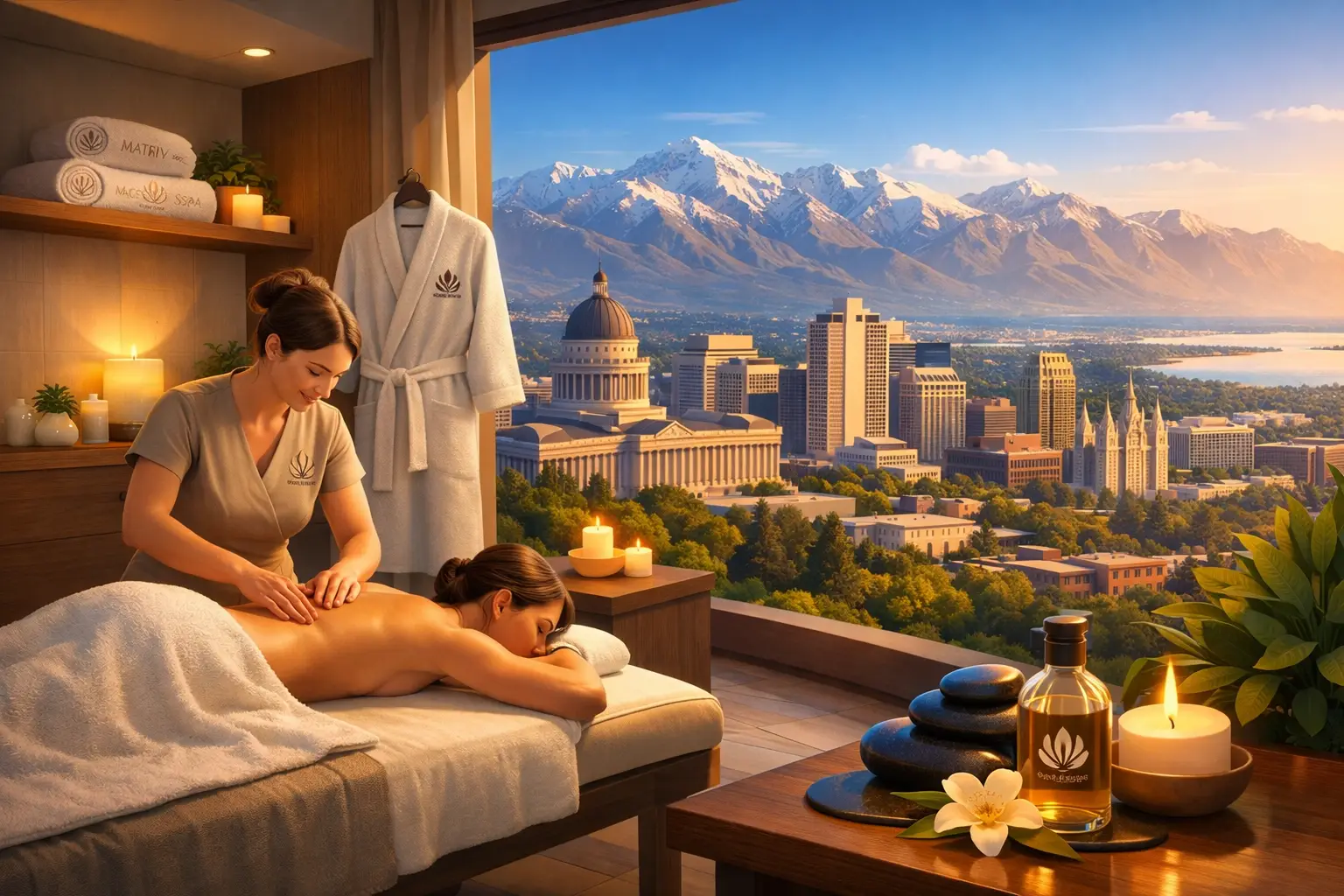
A massage should feel like more than an item checked off a busy calendar. The right session can ease the tight shoulders that follow long workdays, help active bodies recover after time on the trail or in the gym, and create a quiet reset when stress has been building for too long. This Salt Lake City massage guide is designed to help you choose care that feels personal, effective, and genuinely restorative.
The best treatment is not always the deepest pressure or the longest appointment. It is the one that matches what your body needs now, whether that is focused relief, full-body relaxation, recovery support, or a little of each.
Start With the Outcome You Want
Before choosing a massage style, take a moment to name what brought you in. Are you noticing persistent neck and shoulder tension? Is soreness affecting your workout routine? Do you need a peaceful hour away from responsibilities? Your answer gives your therapist a useful starting point and helps shape a customized treatment.
A relaxation-focused visit is often a beautiful choice when life feels overstimulating. Gentle, flowing work can calm the nervous system, soften everyday muscle tension, and leave you feeling rested rather than worked over. Swedish massage is a classic option for first-time guests and anyone who wants a lighter-to-medium pressure experience centered on overall well-being.
When tension has settled in more deeply, therapeutic work may be the better fit. Deep tissue massage uses slower, more intentional pressure to address stubborn tightness and areas that feel restricted. It can be especially helpful for people who spend hours at a desk, carry stress through the upper body, or notice recurring muscular discomfort. Deep tissue should feel purposeful, not punishing. Good communication keeps the session productive and within your comfort level.
For active adults, sports massage can support recovery before or after demanding physical activity. The approach may include focused work on overused muscle groups, stretching, and techniques that encourage mobility. It is a practical choice for runners, skiers, cyclists, strength-training enthusiasts, and anyone whose body works hard for their favorite pursuits.
Choosing the Right Massage for Your Body
There is no single best massage for everyone. A thoughtful therapist considers your goals, daily habits, pressure preferences, and any areas that need extra care.
Swedish massage for a full-body reset
Swedish massage is often associated with relaxation, but its benefits extend beyond feeling pampered. The long, soothing strokes can help settle muscle tension while supporting a sense of calm throughout the body. Choose it when you want to decompress, are newer to massage, or simply need a restorative pause from a fast-paced week.
Deep tissue massage for persistent tension
Deep tissue work is ideal when muscles feel chronically tight or certain areas need more focused attention. Many guests choose it for the back, shoulders, hips, and legs. It is not necessarily right for every appointment, however. If you are depleted, highly sensitive, or already very sore, a gentler therapeutic approach may provide better relief that day.
Sports massage for movement and recovery
Sports massage is about helping your body feel prepared to move and supported afterward. It can be adapted around a training plan, a recent event, or a specific area of fatigue. Let your therapist know whether you have an upcoming race, a strenuous weekend planned, or a recovery goal, since timing and pressure can make a difference.
Prenatal massage for expectant mothers
Pregnancy changes how the body carries weight, rests, and moves. Prenatal massage offers nurturing, appropriately adapted care that can help address common discomforts such as low-back tension, hip tightness, and tired legs. Expectant mothers should share their stage of pregnancy, comfort needs, and any guidance from their health care provider so the session can be tailored with confidence and care.
Reflexology and craniosacral work for a gentler focus
Reflexology concentrates on the feet, which can be especially rewarding for guests who spend much of the day standing, walking, or wearing supportive footwear. Craniosacral work is a lighter-touch option that emphasizes stillness and gentle support. Both can be meaningful additions when a traditional full-body massage is not the only kind of restoration you are seeking.
What to Share Before Your Appointment
The intake conversation is part of the treatment, not a formality. Be open about what feels tight, what movements aggravate discomfort, and what kind of pressure you enjoy. Mention recent injuries, surgeries, pregnancy, medical conditions, medications, skin sensitivities, or areas you would prefer to avoid.
You do not need to know massage terminology to communicate clearly. Saying, “My right shoulder catches when I reach overhead,” gives your therapist more useful information than trying to diagnose the issue yourself. Likewise, it is always appropriate to ask for lighter pressure, more attention to a particular area, or a change in positioning during the session.
Hydration, a light meal beforehand, and a few extra minutes to arrive without rushing can help you settle in. Avoid scheduling a very intensive massage immediately before an activity that requires peak physical performance unless your therapist recommends it as part of your preparation plan.
Make Room for Hydrotherapy
A massage can stand on its own, but pairing hands-on therapy with hydrotherapy creates a more complete wellness experience. Heat, cold, water, and quiet rest each support the body differently, and the best combination depends on your goal.
An infrared sauna or steam room can help you warm up and relax before a treatment, particularly when you arrive feeling stiff from commuting, exercise, or a long day at work. After massage, time in a relaxation lounge allows your body to remain in that calmer state instead of immediately returning to traffic, emails, and errands.
Cold plunge therapy can feel invigorating and may appeal to guests focused on athletic recovery and renewed energy. For others, a hydro massage or reflexology machine offers a less intense way to extend the benefits of the visit. Contrast experiences can be powerful, but they are not a contest. If heat or cold feels uncomfortable, skip it and choose what helps you feel restored.
At Matrix Massage & Spa, customized massage therapy can be paired with a dedicated hydrotherapy experience that includes an infrared sauna, steam room, cold plunge, hydro massage, reflexology machine, and relaxation lounge. This makes it possible to shape the visit around both therapeutic relief and a more spacious self-care escape.
How Often Should You Book?
Frequency depends on your goals, budget, activity level, and how your body responds. Some guests schedule monthly massage as a wellness routine, using the time to address tension before it becomes overwhelming. Others book around demanding training periods, travel, seasonal stress, or special occasions.
If you are working through ongoing tightness, more consistent appointments for a limited period may be helpful. If your focus is relaxation, a massage whenever you feel your energy and patience running low can still make a meaningful difference. The most sustainable plan is one you can realistically maintain, not an overly ambitious schedule that creates another obligation.
Packages, seasonal offers, gift certificates, and spa cards can make regular care or a thoughtful gift more accessible. For couples, friends, and family members, a spa experience is often more memorable when it includes time to slow down before returning to the pace of everyday life.
After Your Massage, Let the Benefits Settle In
Try not to rush directly into a demanding task. Drink water, enjoy a nourishing meal, and give yourself permission to move a little more slowly for the rest of the day. A gentle walk or easy stretching may feel wonderful, while intense exercise is often better saved for later if you received focused deep tissue work.
Mild tenderness can happen after therapeutic massage, especially if an area was particularly tight. That feeling should be temporary and manageable. If something feels sharp, unusual, or concerning, contact your provider and seek appropriate medical guidance when needed.
The most valuable massage is the one that meets you where you are. Whether you need relief from a tense workweek, support for an active body, or a serene place to recharge, choosing a treatment with intention can turn a simple appointment into care that stays with you long after you leave.