
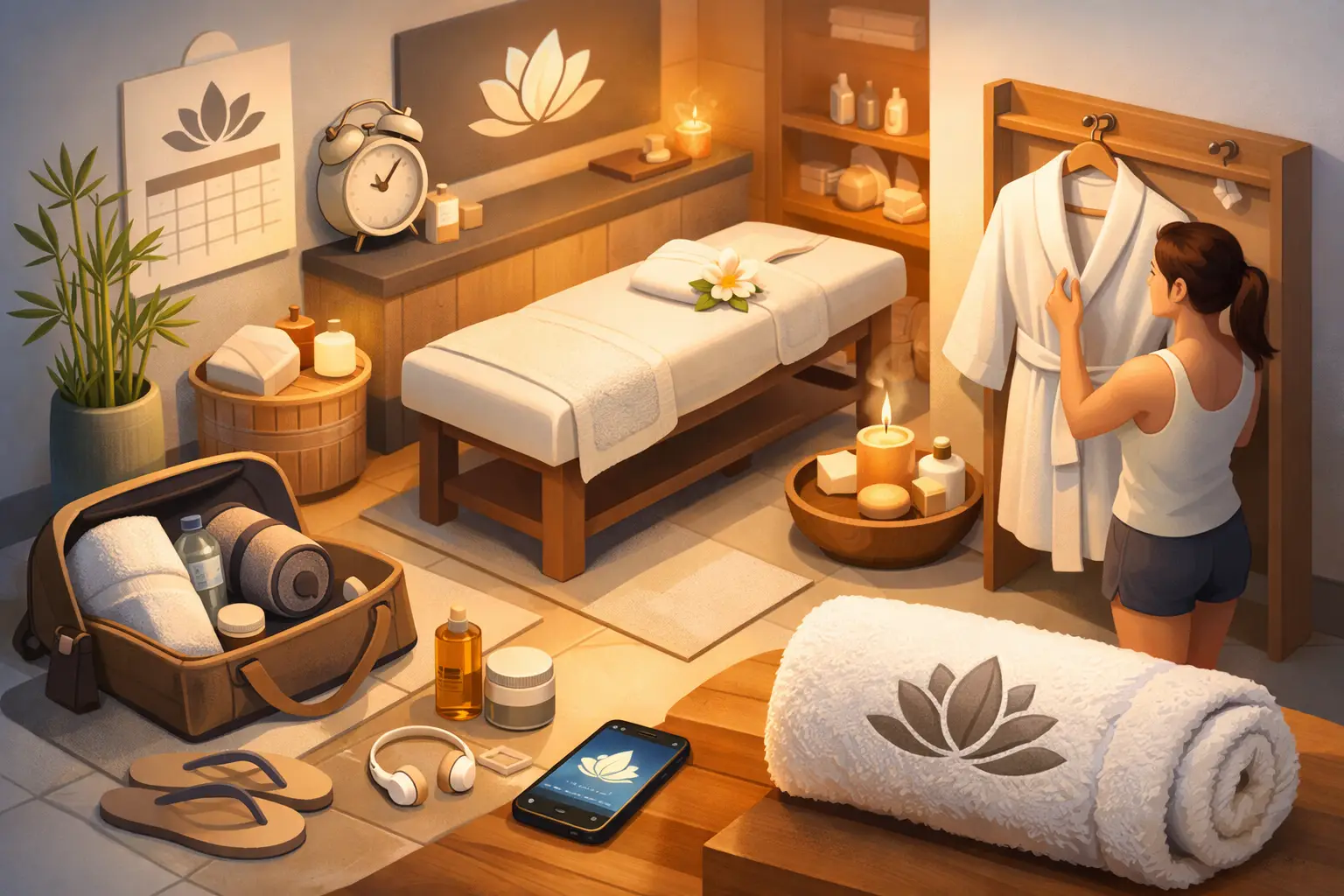
A massage can feel like a well-earned pause after a demanding workweek, a hard training block, or a season spent caring for everyone else. Knowing how to prepare for massage helps that pause become more meaningful: you arrive settled, your therapist understands what your body needs, and you have room to enjoy the benefits long after you leave.
Preparation does not need to be complicated. A few thoughtful choices before and after your appointment can support deeper relaxation, more productive therapeutic work, and a calmer overall spa experience.
How to Prepare for Massage in the Days Before
The best preparation often begins with a little breathing room in your schedule. If possible, avoid booking a massage directly before a high-pressure meeting, a long drive, or an intense workout. Massage can leave you feeling deeply relaxed, pleasantly tired, or more aware of areas that have been holding tension. Giving yourself time afterward lets your body settle into that change.
Hydration is another simple but helpful step. Drink water consistently throughout the day before your appointment rather than trying to catch up with a large bottle in the waiting room. Well-hydrated tissue can feel more responsive to massage, and regular water intake supports your comfort afterward. There is no need to overdo it – just follow your usual healthy hydration habits.
Consider what your body has been doing lately. A deep tissue or sports massage may be especially welcome after lifting, skiing, running, cycling, or long hours at a desk, but it is generally best not to schedule intense exercise immediately before the session. Freshly fatigued muscles can be sensitive, and arriving overheated or rushed makes it harder to relax. A gentle walk, mobility work, or easy stretching is usually a better choice on massage day.
If you are booking a prenatal massage, recovering from an injury, managing chronic pain, or experiencing a new health concern, share that information when you schedule. Your comfort and safety guide the treatment. Your medical provider is the right person to advise you about massage when you have a condition that may require special precautions.
Eat Lightly and Arrive With Time to Spare
A light meal one to two hours before your massage is often ideal. You do not want to be distracted by hunger during a 60- or 90-minute session, but a very large, rich meal right before lying face down can be uncomfortable. Think of something nourishing and familiar: yogurt and fruit, a sandwich, soup, or a balanced snack.
Try to arrive 10 to 15 minutes early, especially for a first visit. This creates space to complete intake forms, use the restroom, silence your phone, and transition out of the pace of the day. Arriving in a rush can keep your nervous system in high gear even after the massage begins. A few unhurried minutes in a serene environment can make a real difference.
For guests planning a longer self-care escape, build in even more time. At Matrix Massage & Spa, the hydrotherapy experience can include an infrared sauna, steam room, cold plunge, hydro massage, and relaxation lounge. These amenities are most enjoyable when they are not squeezed between obligations.
What to Tell Your Massage Therapist
Massage is customized care, not a test of how much pressure you can tolerate. The most useful thing you can bring to your appointment is clear, honest communication.
Before the session begins, tell your therapist what you hope to get from the visit. You may want targeted work for tight shoulders and headaches, support for post-workout recovery, relief from low-back tension, or simply an hour to decompress. A relaxation-focused Swedish massage and a focused deep tissue session can both be restorative, but they create different experiences. Your goals help your therapist choose an appropriate approach.
Be specific about any areas to avoid, including recent injuries, bruising, skin irritation, varicose veins, surgical sites, or places that feel unusually tender. Share relevant health changes, medications, allergies, and sensitivities to scents or products. If you are pregnant, tell your therapist how far along you are and whether your provider has given you any instructions.
Pressure preference matters, too. “Deep” should not mean sharp, breath-holding pain. Productive therapeutic pressure can feel intense at times, especially around long-held muscular tension, but you should still be able to breathe normally and relax into the work. Speak up if the pressure is too light, too strong, or inconsistent with what you need that day. Your body may also respond differently from one appointment to the next.
A few useful details to mention include:
- Areas where tension regularly returns, such as the neck, hips, calves, or jaw
- Activities that may be contributing to discomfort, from computer work to marathon training
- Whether you prefer quiet, light conversation, or guidance during the session
- Any recent changes in sleep, stress, mobility, or pain patterns
This conversation is part of the treatment. Caring, confident massage therapy begins with listening.
Dress for Comfort, Not for the Massage Table
Wear comfortable clothing that is easy to change out of and back into. Most massage guests undress to their personal level of comfort, then remain professionally draped throughout the service except for the area being worked on. Your therapist will step out while you get settled on the table and will explain what to expect.
You do not need special clothing for a traditional table massage. For a sports massage, stretching-focused session, reflexology treatment, or body treatment, the spa may provide specific instructions. When in doubt, ask when booking.
Skip heavy fragrance if you can. Strong perfume or cologne can linger in the treatment room and may be uncomfortable for other guests or therapists with sensitivities. Clean skin and simple, comfortable attire are all that is required. There is no need to shave, wear makeup, or look a certain way to deserve restorative care.
Prepare Your Mind as Well as Your Muscles
Many people arrive at a massage carrying more than physical tension. They are mentally replaying a conversation, planning dinner, or checking the clock. That is normal. You do not have to force yourself into perfect calm before the session begins.
Instead, give yourself a small transition ritual. Put your phone on silent, take several slower breaths, and let your therapist know if you have had a stressful day. Once you are on the table, notice where your body is supported. If thoughts keep moving, return attention to your breath or the feeling of the massage without judging yourself for being distracted.
Some guests prefer complete quiet; others relax more easily with brief conversation at the start. Neither is wrong. The goal is not to perform relaxation. It is to create the conditions where your body can feel safe enough to soften.
Use Hydrotherapy Intentionally
If your visit includes sauna, steam, cold plunge, or other hydrotherapy amenities, timing depends on your goals and how your body responds. Gentle warmth before a massage may help you feel more relaxed and ready for hands-on work. A warm shower or a short steam can be soothing, but staying too long in high heat may leave you dehydrated or lightheaded.
Cold exposure can feel invigorating and may appeal to active guests seeking recovery support, yet it is not the best fit for everyone. Start gradually, listen to your body, and avoid pushing through dizziness, numbness, or discomfort. If you have cardiovascular concerns, are pregnant, or have been advised to avoid extreme temperatures, check with your medical provider before using heat or cold therapies.
After a massage, many guests enjoy quiet time in a relaxation lounge or a gentle hydro massage rather than rushing out the door. Think of the amenities as a way to extend the calm, not another item to complete on a checklist.
After Your Massage, Keep the Rest of the Day Gentle
You may leave feeling loose and energized, deeply sleepy, or slightly tender in areas that received focused work. All can be normal responses, particularly after deep tissue massage or a session addressing long-standing tension. Continue drinking water, eat a nourishing meal, and choose light movement if it feels good.
Avoid treating post-massage soreness like a problem to conquer with an intense workout. Give your body a chance to integrate the work. An easy walk, warm bath, gentle stretching, or an earlier bedtime may serve you better. If you feel discomfort that is severe, unusual, or does not improve, contact an appropriate health care professional.
The most restorative massage appointment is not about doing every step perfectly. It is about arriving with enough time, sharing what your body needs, and allowing yourself to receive care without apology. Let the appointment be a protected part of your wellness routine – a place to release tension, restore energy, and return to your life feeling more at home in your body.