
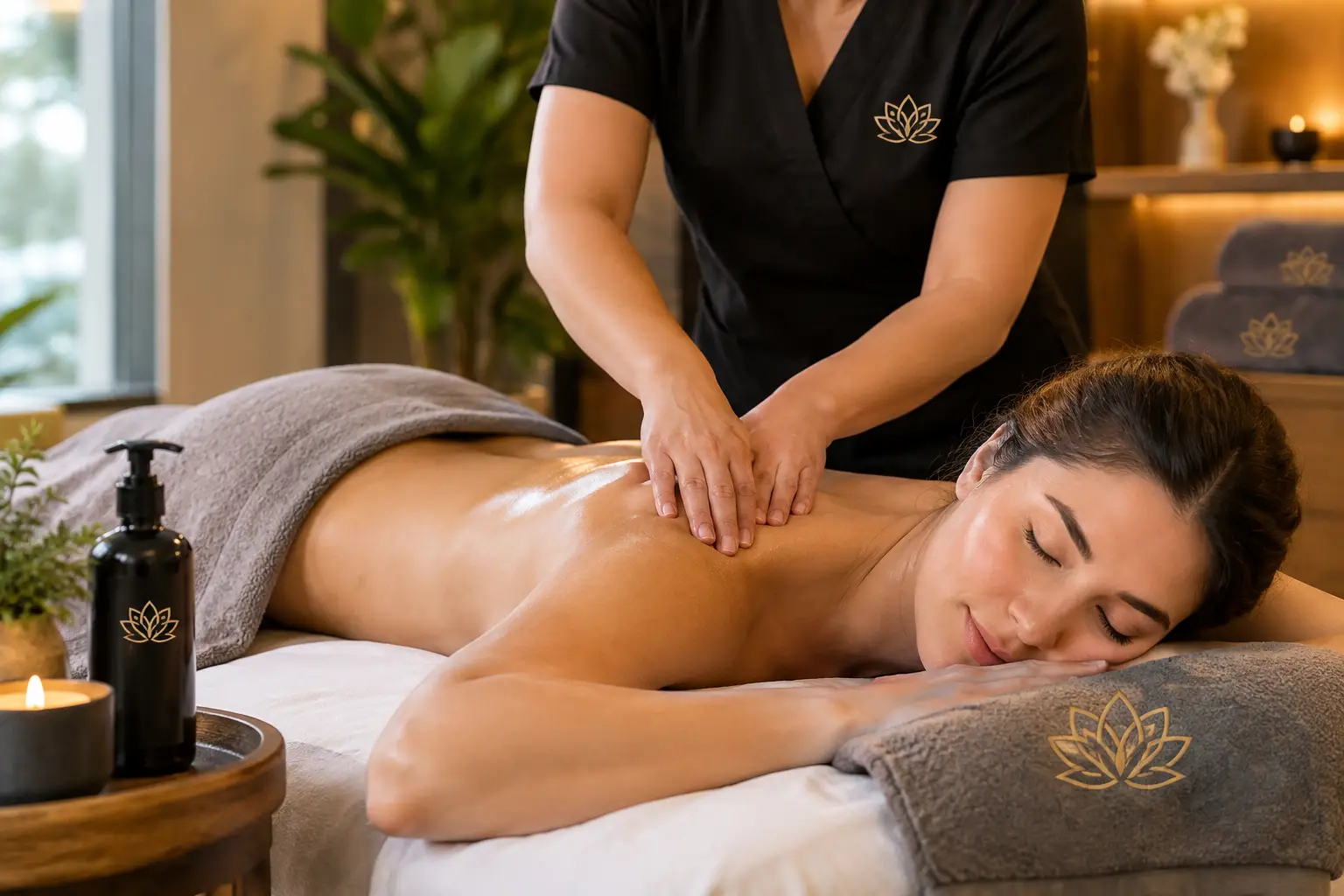
A massage should never feel like something you have to endure to get results. Knowing how to choose massage pressure helps you arrive with a clearer sense of what your body needs, whether you are craving quiet relaxation after a demanding week or focused work for tight muscles after a long run, ski day, or desk-bound stretch.
The right pressure is personal. It can also change from one appointment to the next, and even from one area of the body to another. A skilled massage therapist will use your goals, comfort level, and feedback to customize your session so you can leave feeling cared for, restored, and more at ease.
What Massage Pressure Should Feel Like
Massage pressure is not simply a choice between light and deep. It is the amount of force a therapist uses and the way that force is applied. Broad, flowing strokes can feel soothing even at a moderate level, while slow, focused work in a tight area may feel more intense with less overall pressure.
A helpful rule is this: therapeutic pressure can feel noticeable, but it should not make you brace, hold your breath, clench your jaw, or pull away. You may experience a satisfying sense of release in a tense shoulder, calf, or lower back, yet you should still be able to relax into the table.
If a sensation becomes sharp, burning, pinching, numb, or overwhelming, it is too much. More pressure is not automatically better. Muscles often respond more comfortably when the body feels safe enough to soften rather than guard against the work.
Start With Your Goal for the Session
Your reason for booking is one of the best ways to choose a starting pressure. If your priority is calming the mind and easing general day-to-day tension, light to moderate pressure is often a beautiful fit. Swedish massage is especially well suited to this experience, using long, flowing techniques that encourage deep relaxation without feeling demanding.
If you are active, spend long hours at a computer, or notice persistent tightness in particular areas, moderate to firm pressure may be more appropriate. Sports massage and deep tissue techniques can be tailored to focus on areas that feel overworked, such as the legs, hips, shoulders, or upper back. That does not mean every minute needs to be intense. A thoughtful session often combines lighter warming strokes with more focused work where it is helpful.
For a special occasion, couples massage, or full spa day, comfort may matter more than intensity. Choosing a moderate pressure lets you enjoy the experience, especially when it is paired with relaxation amenities or a body treatment. The goal is not to prove how much pressure you can handle. It is to leave feeling renewed.
How to Choose Massage Pressure for Your Body
Before your appointment, take a moment to notice how your body feels. Are you generally tired and overstimulated? Are your shoulders tight but sensitive to touch? Do your legs feel heavy after activity, or do you simply want time to slow down? These details give your therapist a useful starting point.
Your previous massage experience matters, too. First-time guests often prefer light to moderate pressure because it gives them time to understand what feels good. Regular massage guests may enjoy firm work in familiar tension areas, but even experienced clients can benefit from a lighter session when they are stressed, fatigued, or not feeling their best.
Consider your sensitivity that day. Hydration, sleep, recent activity, stress, and even the time of month can affect how pressure feels. A level that felt perfect two weeks ago may feel too strong today. There is nothing inconsistent about adjusting your preference from visit to visit.
Pressure can also vary by body area. You might enjoy firmer work across the upper back or glutes while preferring a gentler approach around the neck, forearms, feet, or calves. Letting your therapist know this creates a more personalized massage from the start.
Understand the Difference Between Massage Styles
The name of a massage can offer guidance, but it does not lock you into one pressure level. Every treatment should be adjusted to your comfort.
Swedish Massage
Swedish massage is often associated with light to moderate pressure and smooth, relaxing strokes. It is an excellent choice for unwinding, easing everyday muscle tension, and enjoying a restorative break from a busy schedule. If you want to feel calm, rested, and gently refreshed, this is often a natural place to begin.
Deep Tissue Massage
Deep tissue massage uses slower, more focused techniques to address areas of stubborn tightness. It can be firm, but it should still be controlled and responsive. Ask for deep tissue if you want targeted work, not because you assume it is the only massage that “works.” A therapist can use deep tissue methods at a level that remains comfortable for you.
Sports Massage
Sports massage is designed around movement, activity, and recovery needs. Pressure may range from moderate to firm, depending on the area being addressed and where you are in your activity routine. If you have an event, training session, or physically active weekend ahead, share that context so your treatment can match your plans.
Hot Stone and Prenatal Massage
Hot stone massage often feels deeply soothing without requiring very firm pressure. Warm stones help create a sense of ease, making it a lovely option for guests who want relaxation with a luxurious touch. Prenatal massage is also carefully customized for comfort, positioning, and changing needs throughout pregnancy. Be open about what feels supportive and what does not.
Speak Up During Your Massage
The most effective feedback is simple and specific. You do not need to know massage terminology. Phrases like “a little lighter on my neck,” “that pressure is perfect,” or “you can go a bit deeper in my shoulders” are all your therapist needs.
Try to share preferences early rather than waiting until discomfort builds. During the intake conversation, mention any areas you would like to prioritize, areas you would rather avoid, and the general experience you want. If your goal is to relax, say so. If you want more focused work on your upper back after a week at your desk, say that, too.
Your therapist may check in as the session progresses, particularly when moving into a tighter area. Honest feedback is welcome. It is part of creating a massage that feels tailored rather than routine.
Let Your Body Guide the Adjustment
A little tenderness during focused massage can be normal, especially in an area that has been holding tension. What matters is how your body responds. If you can breathe steadily and feel the area gradually soften, the pressure may be productive and appropriate. If you feel yourself resisting, tensing harder, or counting down the seconds until the therapist moves on, ask for an adjustment.
Pay attention after the massage as well. You may feel relaxed, lighter, or pleasantly worked over. If you tend to feel depleted after very intense sessions, consider requesting moderate pressure next time or asking your therapist to spend less time on a single sensitive area. Progress does not have to come from pushing through discomfort.
Choose a Therapist Who Customizes the Experience
A premium massage experience should feel personal from the first conversation to the final moments in the relaxation room. At Matrix Massage & Spa, guests can share their goals and pressure preferences so their treatment can be shaped around relaxation, recovery, or a little of both.
The best pressure is the one that lets your body receive the massage rather than fight it. Arrive with a general preference, stay open to adjustments, and give yourself permission to ask for exactly what feels right. That small conversation can turn a good massage into the restorative experience you were hoping for.