
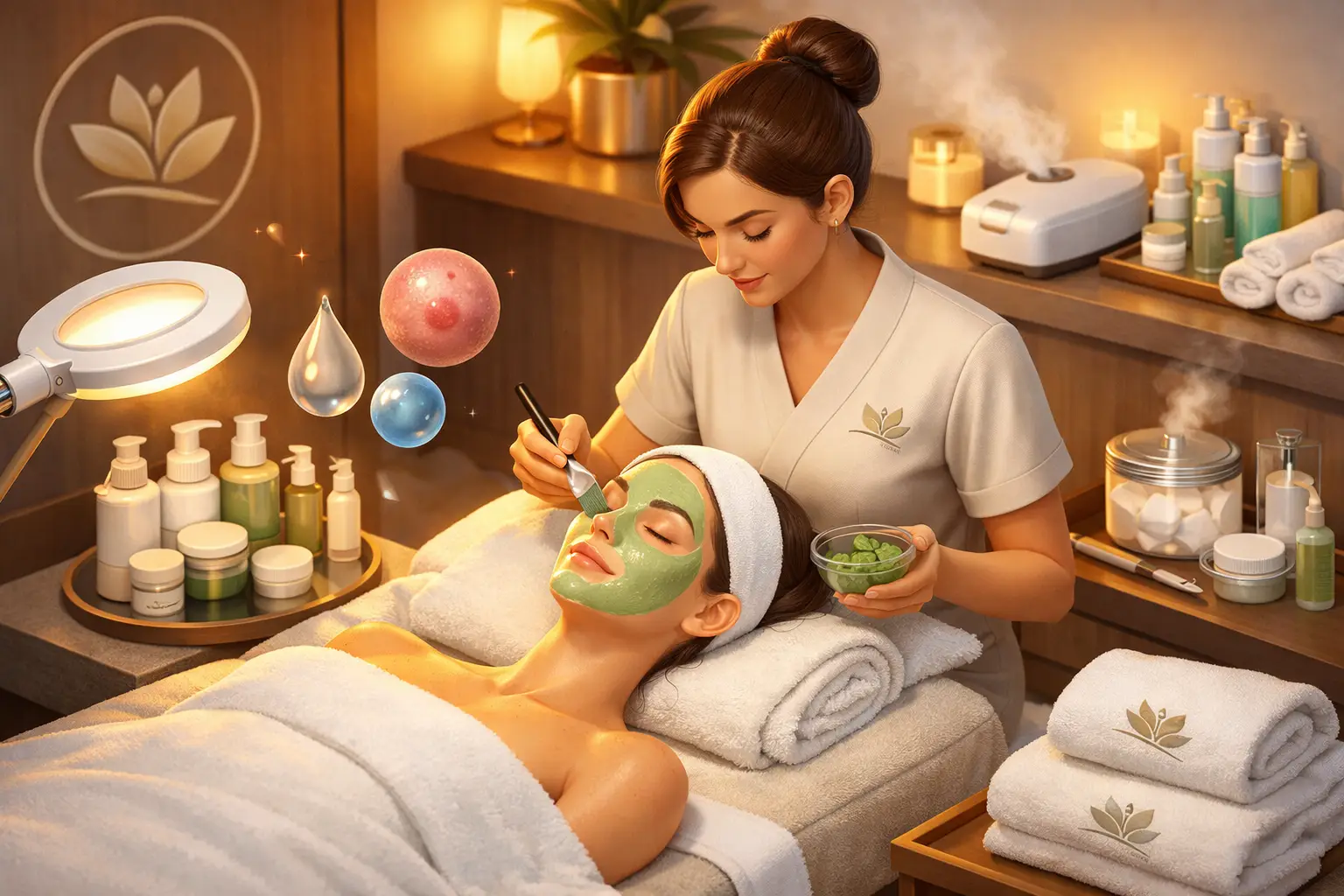
A breakout has a way of making every skincare decision feel high-stakes. You may want immediate relief, but skin that is inflamed, tender, or easily irritated rarely responds well to an aggressive approach. Facials for acne can be a restorative part of a thoughtful routine when they are customized to your current skin condition, not simply treated as a one-size-fits-all deep cleanse.
At Matrix Massage & Spa, skincare is approached with the same attentive care as massage therapy: listen first, then tailor the experience. The goal is to help your skin feel calmer, cleaner, and more comfortable while giving you a moment of genuine renewal.
What facials for acne can do
Acne facials are professional treatments designed to address concerns such as congestion, excess oil, blackheads, occasional breakouts, uneven texture, and post-breakout dryness. A skilled esthetician begins by assessing what is happening on your skin that day. This matters because acne is not always the same from one month to the next.
Some guests have mostly clogged pores around the nose, chin, or jawline. Others are dealing with active, inflamed blemishes, sensitivity from acne products, or dry, flaky skin beneath a layer of oil. Each situation calls for a different balance of cleansing, exfoliation, hydration, extractions, and soothing care.
A well-chosen facial may help clear surface buildup, soften stubborn congestion for safer extractions, and support a more balanced-looking complexion. It can also provide a valuable reset if your home routine has become too complicated or too harsh. There is a difference, however, between supporting acne-prone skin and curing acne. Persistent or severe acne often has hormonal, genetic, or medical factors that require a dermatologist’s expertise.
Why a customized approach matters
The temptation with acne is to throw every strong product at it: scrubs, acids, drying masks, spot treatments, and frequent washing. That can leave the skin barrier stressed and uncomfortable. When the barrier is compromised, skin may feel tight, sting when products are applied, or become increasingly reactive.
A customized facial looks beyond the visible blemish. Your esthetician considers your level of sensitivity, current breakouts, skincare habits, recent sun exposure, medications, and goals for the treatment. A guest with resilient, congested skin may benefit from focused exfoliation and carefully performed extractions. Someone using prescription acne medication or retinoids may need a gentler, hydration-centered service instead.
This is also why a facial should never feel like a test of endurance. Redness, pressure, and temporary sensitivity can occur with some treatments, especially after extractions, but intense discomfort is not a sign that the service is working better. The best results tend to come from consistency, professional judgment, and skin-supportive care.
Extractions should be selective, not forceful
Professional extractions can be helpful for blackheads and certain clogged pores, particularly when the skin has been properly cleansed and softened. Yet not every blemish should be extracted. Inflamed, deep, painful lesions are more likely to become irritated or scar if they are squeezed or manipulated.
A caring esthetician knows when to leave an area alone. That restraint protects your skin and helps preserve the calm, restorative quality of your appointment. At home, avoid picking between treatments. It is one of the most common reasons a small breakout becomes a longer-lasting mark.
Hydration still belongs in acne care
Oiliness and dehydration can exist at the same time. If your face feels shiny but tight, or if makeup clings to dry patches around active blemishes, your skin may need moisture rather than more stripping products. Lightweight, non-comedogenic hydration can help skin feel more balanced and comfortable.
During a facial, soothing masks, appropriate serums, and barrier-supportive finishing products can bring welcome relief to skin that has been working hard. This is especially valuable during Utah’s dry seasons, when indoor heat, cold weather, and a naturally arid climate can make acne treatments feel more irritating.
What to expect at your appointment
Your service should begin with a conversation. Share whether you are experiencing regular congestion, occasional hormonal breakouts, painful cystic acne, or sensitivity from a new product. Mention any prescription creams, oral acne medications, retinoids, recent chemical peels, waxing, or cosmetic procedures. These details help guide a safer treatment plan.
The facial itself may include a thorough cleanse, skin analysis, gentle exfoliation when appropriate, steam or softening techniques, selective extractions, a treatment mask, and finishing hydration with sun protection guidance. The exact steps depend on your skin. A professional facial is not a checklist to complete at all costs.
Expect your esthetician to adjust during the appointment if your skin needs a softer touch. Some guests leave with an immediate fresh glow, while others notice more gradual improvements in texture and congestion over the next several days. If extractions are performed, mild redness may be visible for a short time, so it can be wise to schedule before a lower-key evening rather than immediately before a major event.
When to schedule and how often to go
For mild congestion or occasional breakouts, a facial every four to six weeks can fit well into a regular self-care routine. That timing follows the skin’s natural renewal cycle and gives your esthetician a chance to observe how your complexion responds over time.
More frequent appointments are not automatically better. If your skin is irritated, peeling, or inflamed, it may need time and gentler home care before another active treatment. Your schedule should reflect both your skin’s condition and your budget, because a sustainable routine is more useful than an overly ambitious one you cannot maintain.
If you are preparing for photos, a wedding, or another special occasion, plan ahead. Try a new facial several weeks in advance rather than days before the event. This gives you room to see how your skin responds and make thoughtful adjustments.
Pair professional care with a simple home routine
Your facial has the best chance of supporting clearer skin when your daily routine is steady. You do not need a shelf full of products. A gentle cleanser, an acne treatment recommended for your skin, a non-comedogenic moisturizer, and daily broad-spectrum sunscreen are often a strong foundation.
Avoid introducing several new active products at once. If irritation develops, it becomes difficult to know what caused it. Give products time, use them as directed, and resist the urge to scrub or cleanse repeatedly after a breakout appears. Clean pillowcases, makeup brushes, and phone screens are sensible habits too, but they are not substitutes for professional or medical care when acne is persistent.
When acne needs a dermatologist
Spa care can complement a dermatologist’s treatment plan, but certain signs deserve medical attention. Consider seeing a board-certified dermatologist if acne is painful, deep, widespread, leaving scars, suddenly worsening, or affecting your confidence and daily life. Medical treatment may include prescription topicals, oral medications, hormonal options, or other therapies that an esthetician cannot provide.
Be especially open about medications such as isotretinoin and topical or oral retinoids. These can change how your skin tolerates exfoliation, waxing, and other facial services. A good care plan protects your results instead of asking your skin to handle too much at once.
A facial appointment can be more than an attempt to chase perfect skin. It can be a quiet, professional check-in with what your complexion needs right now: less friction, more balance, and a little time to reset. When acne care is patient and personalized, self-care starts to feel restorative again.