
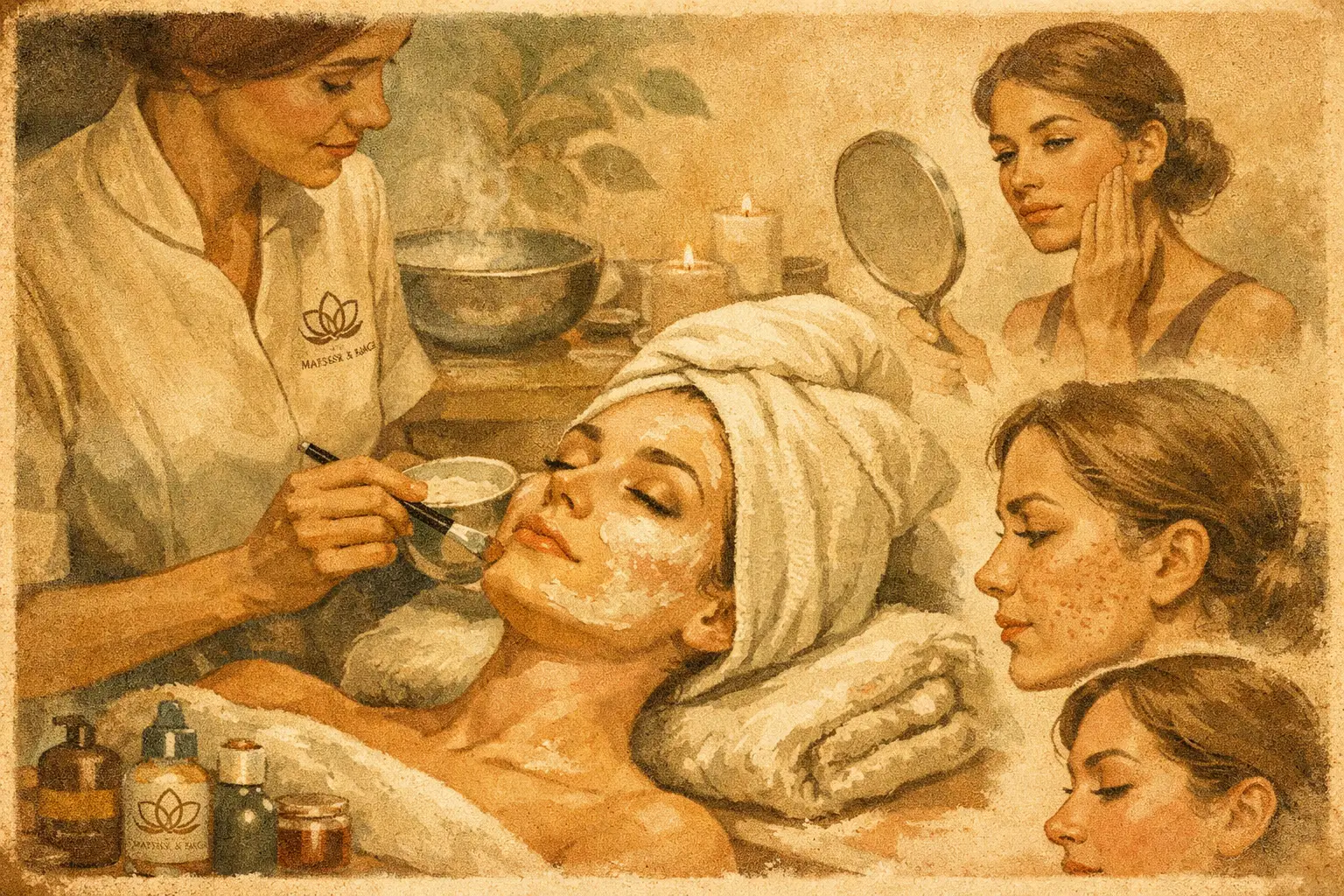
Acne may be temporary, but the marks it leaves can make skin feel harder to care for. A facial for acne scars can be a calming, worthwhile part of a skincare routine, especially when dullness, uneven tone, congestion, and rough texture are part of the picture. The honest expectation matters, though: a facial can support healthier-looking skin and improve its glow, but it will not erase every type of scar.
The most rewarding approach is personalized. Rather than choosing the strongest treatment on the menu, consider what your skin is showing now, how reactive it feels, and whether your concerns are true scars, lingering discoloration, or both. A thoughtful facial provides a restorative reset while helping you make decisions that protect your skin’s long-term progress.
What a Facial for Acne Scars Can Help Improve
The term “acne scars” is often used for several different concerns. Some people are dealing with brown, red, or purple marks that remain after a blemish heals. Others have indentations in the skin, such as boxcar, rolling, or ice-pick scars. Some experience raised scars, although these are less common on the face.
A customized spa facial is most helpful for the surface-level concerns that can make old acne marks look more noticeable. Gentle exfoliation can encourage a smoother-looking texture. Hydration can soften the appearance of fine unevenness. Calming ingredients and professional application techniques may help the skin look brighter and more balanced, particularly when post-breakout discoloration is the main concern.
Facials can also address congestion. When pores are carefully cleansed and extraction is appropriate, the treatment may help reduce the buildup that contributes to future breakouts. Preventing new inflammation is a meaningful part of caring for acne-prone skin, because every new blemish has the potential to leave another mark.
For many guests, the immediate benefit is not only cosmetic. A dedicated facial creates time to slow down, settle the nervous system, and receive attentive care. Stress does not cause every breakout, but stress management, consistent sleep, and a supportive skincare routine can all play a role in how skin feels and behaves.
What Facials Cannot Fully Correct
Deep, pitted scars are changes in the skin’s underlying structure. A relaxing facial, even an excellent one, cannot rebuild lost collagen in the same way that medical treatments may be designed to do. Procedures such as microneedling, professional chemical peels, laser treatments, subcision, and certain injectables may be more appropriate for deeper acne scarring. Those options should be discussed with a licensed dermatologist or qualified medical provider.
This does not make a facial an all-or-nothing choice. Think of it as supportive care rather than a cure. Regular, well-chosen facials may improve hydration, polish away dull surface cells, and help makeup sit more smoothly. They can also complement a dermatologist-led plan when your provider agrees that spa treatments are appropriate between medical appointments.
Raised, itchy, painful, actively inflamed, or suddenly changing scars deserve medical evaluation. The same is true if acne is severe, cystic, or leaving scars quickly. Treating active acne early may limit additional scarring and save frustration later.
Choosing the Right Treatment for Your Skin Today
The best facial depends on your current skin condition, not simply on the word “scar.” If your skin is dry, sensitive, or recently irritated, a gentle hydrating treatment may be a better starting point than intensive exfoliation. If you have persistent congestion with a few active breakouts, a clarifying facial with carefully selected products may offer more value.
A skilled esthetic professional should ask about your skin history, current breakouts, prescription products, recent peels or procedures, allergies, and sensitivity. This conversation is part of the treatment. Retinoids, benzoyl peroxide, antibiotics, and certain prescription acne medications can change how your skin responds to exfoliation and extractions.
Be especially transparent about isotretinoin use, a recent chemical peel, laser treatment, waxing, or a tendency to develop dark marks after irritation. Your provider may recommend a gentler service or postponing part of the treatment. That is not a missed opportunity. It is careful care.
At Matrix Massage & Spa, a facial can be selected as part of a more complete self-care escape, with the treatment tailored to the condition and comfort of your skin. The goal is never to overwhelm already stressed skin. It is to leave you feeling refreshed, cared for, and more confident in the routine you continue at home.
Exfoliation: Helpful When It Is Measured
Exfoliation is often the feature people want most from a facial for acne scars. Removing dull surface buildup can create a brighter appearance and may make shallow unevenness less visible. But more aggressive does not always mean more effective.
Over-scrubbing, frequent high-strength acids, and harsh home devices can damage the skin barrier. When the barrier is irritated, skin may sting, flake, produce more oil, or develop more noticeable discoloration after a breakout. A professional can help determine whether your skin may benefit from light enzyme exfoliation, a mild acid treatment, or a hydration-first appointment.
Extractions: Never a Test of How Much Your Skin Can Tolerate
Professional extractions can be useful when they are gentle, hygienic, and limited to appropriate congestion. They should not leave the face aggressively red, bruised, or sore. Picking at blemishes at home is one of the most reliable ways to extend inflammation and increase the risk of marks.
If you have deep, tender cysts or widespread active acne, extraction may not be suitable. In that situation, soothing support and a medical acne plan can be more beneficial than trying to force a quick fix.
How to Prepare for Your Appointment
For several days before a facial, keep your routine steady. Avoid experimenting with a new acid serum, scrub, or at-home peel right before your visit. If you use a retinoid or a stronger acne treatment, ask your facial provider or prescribing clinician whether you should pause it beforehand.
Arrive with a clear picture of what you are using, including supplements and prescriptions. If possible, skip facial waxing and avoid prolonged sun exposure close to your appointment. Sunburned or sensitized skin should not be exfoliated.
After your facial, treat your skin gently. Use a mild cleanser, a simple moisturizer, and broad-spectrum SPF 30 or higher every morning. Sun protection is essential for post-acne marks because UV exposure can deepen discoloration and make the skin’s tone look less even. Resist the urge to add extra exfoliants just because your skin feels especially smooth that day.
Build Progress Through Consistency, Not Intensity
Skin renewal takes time. A single facial may leave you looking hydrated and luminous, but lasting improvement in texture and post-acne marks usually comes from consistent, well-matched care. That might include facials every few weeks or months, a simple home regimen, diligent sun protection, and medical treatment when deeper scars or ongoing acne call for it.
Pay attention to how your skin responds after each appointment. A little temporary pinkness can be normal, depending on the service. Burning, prolonged sensitivity, swelling, or worsening breakouts are signs to pause and seek professional guidance. Your skin should feel supported, not punished.
A facial is not about chasing perfectly poreless skin. It is an opportunity to care for the skin you have with patience, professional insight, and a little room to rest. When your treatment is chosen thoughtfully, that hour of care can become a steady, restorative part of feeling at home in your own skin.