
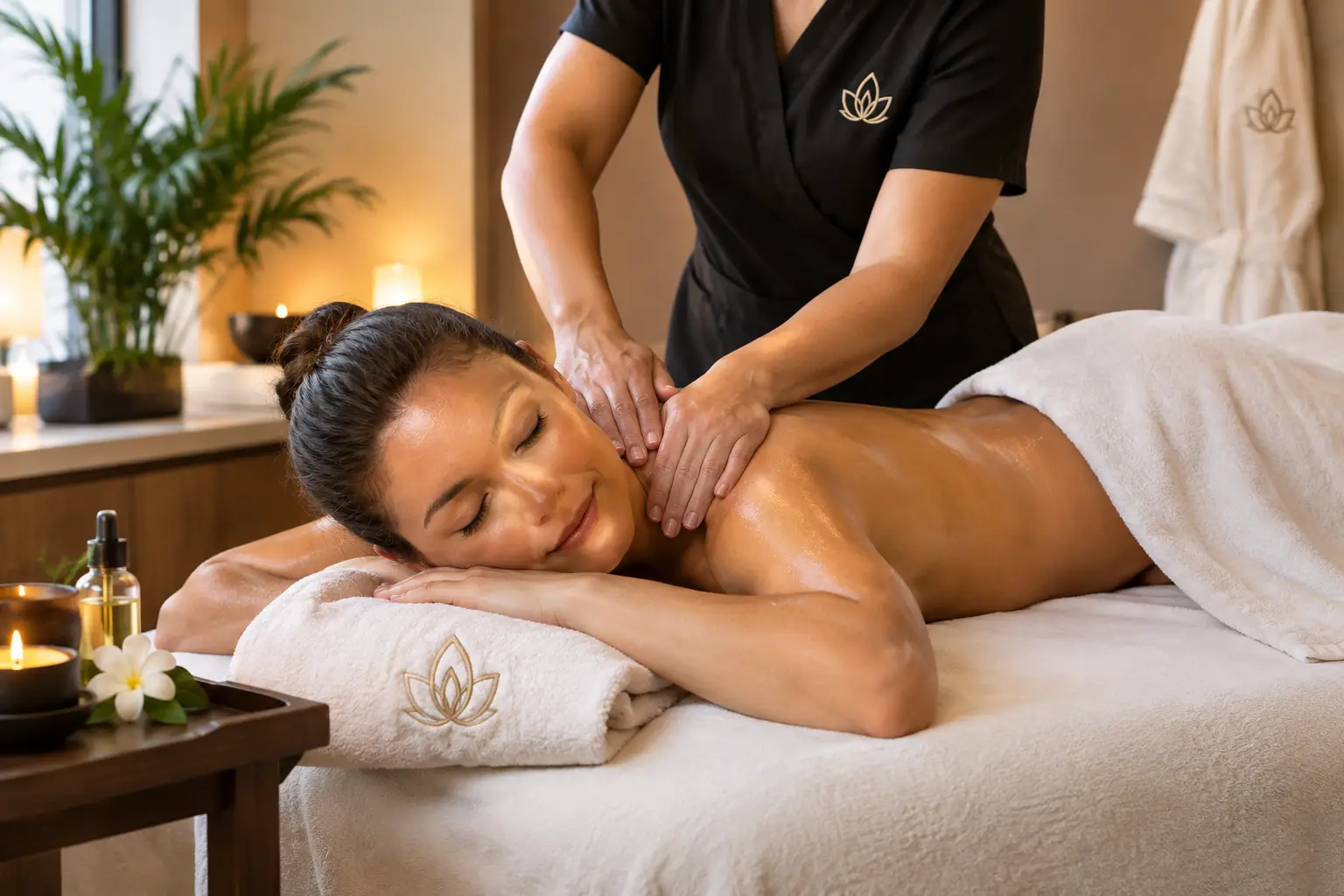
A tight jaw during the morning commute, shoulders creeping toward your ears at a desk, calves that still feel heavy after a trail run – tension has a way of making ordinary moments less comfortable. So, can massage ease tension? For many people, a thoughtfully customized massage can help the body feel calmer, looser, and more at ease, while creating a rare opportunity to fully step away from the pace of the day.
Massage is not one-size-fits-all, and neither is tension. Some people need slow, soothing touch after a demanding week. Others want focused work on hardworking muscles after training, travel, or long hours on their feet. The most restorative experience begins with understanding what your body is carrying and choosing pressure, techniques, and time that feel right for you.
Can Massage Ease Tension in the Body?
Massage can support tension relief by encouraging muscles to relax and helping you shift out of the guarded, rushed posture that often builds throughout the day. When an experienced massage therapist uses intentional touch and pressure, many clients notice that areas such as the neck, shoulders, back, hips, and legs feel less restricted afterward.
Part of that relief is physical. Repetitive movement, exercise, prolonged sitting, and daily stress can all leave muscles feeling fatigued or tight. Gentle strokes may warm and settle the body, while more focused techniques can address stubborn areas that feel especially overworked. Just as meaningful is the quiet setting itself. A massage appointment gives your nervous system a chance to slow down, which can make it easier to release the tension you may not realize you have been holding.
Results vary. A single session can leave you feeling noticeably refreshed, but ongoing tension related to routines, training demands, workstation habits, or stress may respond best to regular care combined with supportive movement, rest, and hydration. Massage is a valuable part of self-care, not a shortcut around the daily habits that influence how your body feels.
The Type of Massage Makes a Difference
The best massage for tension depends on where you feel it, how sensitive the area is, and what you hope to get from your time in the treatment room. More pressure is not automatically better. The goal is effective, comfortable work that allows your body to soften rather than brace against the sensation.
Swedish Massage for Everyday Stress
Swedish massage is often a wonderful choice when stress has made your whole body feel switched on. Long, flowing strokes and lighter-to-moderate pressure can encourage deep relaxation without leaving you feeling overly tender. It is especially well suited for first-time guests, busy professionals, and anyone craving a calm reset.
This style can be ideal when tension feels broad rather than concentrated. Perhaps your shoulders are tired, your sleep has felt restless, and your mind has been racing. A relaxing massage creates space to breathe, settle in, and leave with a greater sense of ease.
Deep Tissue Massage for Persistent Tightness
Deep tissue massage uses slower, more deliberate pressure to focus on deeper layers of muscle and connective tissue. It can be a fitting option for people who regularly notice tightness in specific areas, such as the upper back, hips, glutes, or legs.
A good deep tissue session should still be collaborative. Let your therapist know when pressure feels productive and when it crosses into sharp, overwhelming discomfort. Holding your breath or tensing against the table does not make the massage more effective. Clear communication helps the therapist adjust the approach so the work remains purposeful and restorative.
Sports Massage for Active Bodies
For runners, cyclists, skiers, gym regulars, and weekend adventurers, sports massage can be tailored around the demands placed on the body. It may include focused work before or after activity, attention to heavily used muscle groups, and a plan that fits your training schedule.
The timing matters. A lighter, energizing approach can feel appropriate before an event, while a more restorative session may be preferred after a demanding workout or busy season of activity. Share what you have been doing and what is coming next so your treatment supports your goals.
Warmth, Stones, and Hydrotherapy for a Deeper Exhale
When you are craving a more immersive escape, heat-based amenities can complement massage beautifully. Hot stone massage adds soothing warmth to the experience, which many guests find especially comforting when they feel chilled, worn down, or generally tight.
At Matrix Massage & Spa, a hydrotherapy experience can extend that sense of release before or after a treatment. Time in an infrared sauna or steam room, a refreshing cold plunge, hydro massage, and a quiet relaxation space each offer a different way to pause and reconnect with your body. The right combination is personal. Some guests love warmth before massage, while others prefer to unwind afterward and let the relaxed feeling linger.
What to Tell Your Massage Therapist
A personalized massage begins before the first stroke. You do not need to know the perfect massage terminology. Simply describe what you are noticing in everyday language: “My neck feels tight when I work,” “my legs are tired from hiking,” or “I want to relax but I do not want heavy pressure.”
It also helps to share your preferred pressure level, areas you would like to prioritize, and any places you would rather avoid. If you have a special event, athletic goal, or a particularly stressful week ahead, mention that too. Your therapist can use those details to shape a treatment that feels considered rather than routine.
During the massage, speak up if you need more or less pressure, feel too warm or cool, or would like extra attention in one area. Professional massage is a partnership. The more comfortable you are communicating, the more tailored the experience can be.
How to Help the Benefits Last
The post-massage glow does not have to disappear the moment you walk out the door. Give yourself a few unhurried minutes after your appointment rather than immediately jumping into a packed schedule. Drink water, enjoy a nourishing meal if you need one, and notice how your body feels as you return to normal movement.
Gentle stretching, easy walking, and thoughtful breaks from sitting can help you stay connected to that more relaxed feeling. If your shoulders tend to tense up while working, try lowering them each time you check your email or stand up between tasks. If exercise leaves your legs feeling heavy, build recovery time into your week instead of treating it as an afterthought.
Regular massage can be especially useful when you view it as part of a broader rhythm of care. Some people book monthly relaxation massages. Others schedule around sports training, seasonal changes, travel, or periods when work becomes especially demanding. There is no universal schedule – consistency should fit your lifestyle, comfort, and goals.
When to Choose a Different Next Step
Massage is designed to promote relaxation and comfort, but it is wise to pause and seek guidance from an appropriate health professional for sudden, severe, or unexplained discomfort, particularly after an injury. Let your massage therapist know about any relevant health considerations before your service so they can help determine whether adjustments are appropriate.
For everyday tightness, however, the simple act of setting aside time for skilled touch, quiet, and recovery can be remarkably meaningful. Your body carries you through long workdays, mountain weekends, family responsibilities, and everything in between. Giving it an hour of focused care is not an indulgence you have to earn – it can be a practical, restorative way to feel more present in your own life.